















Hard Pick
Last Saturday, during our radio pregame show, Thunderbird’s Randy Staats was my guest, and I asked him to describe his game for the listeners. Without hesitation or a vocal “ahhh,” he responded confidently.
“I like to get through the middle, working for my teammates, passing, and then setting some hard picks,” said Staats, a prolific scorer himself, but held goalless Saturday.
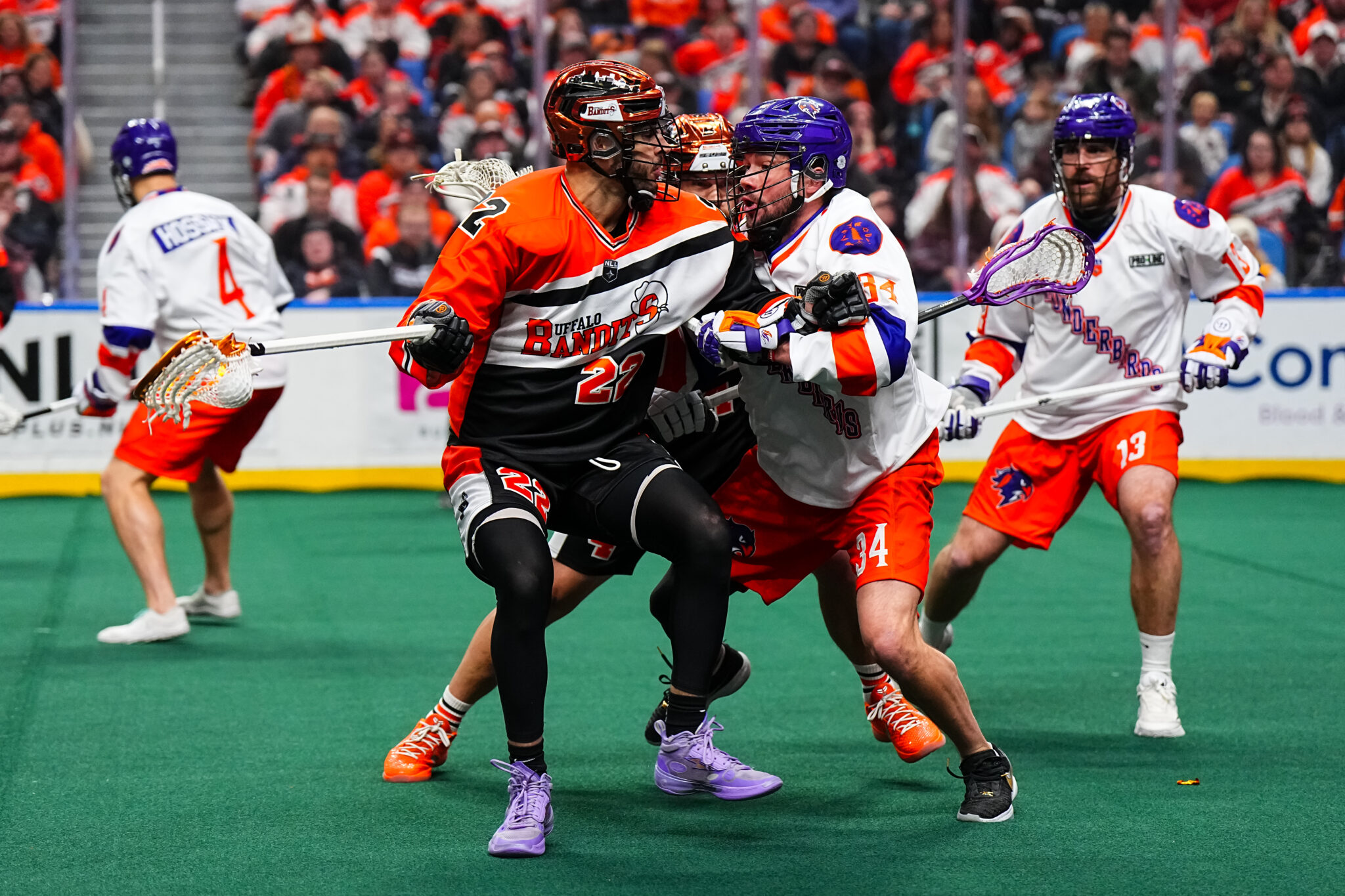
The above description was repeated several times during the Bandits/Thunderbirds game later that night. A perfect example of his hard pick came about twenty seconds into overtime when Staats set a hard pick, which allowed Clarke Petterson to drive to the net and score the game-winning goal, 9-8 over the Bandits.
No Stats
No need to add any more details about the game, file it as “coulda, woulda, shoulda.” The Bandits lost to an excellent Halifax team, one they will have a chance to turn the tables on come Valentine’s Day in the beautiful Maritimes town.
And there were explanations by the Bandits from the loss in the cliché manner: “We just need to be better in the big moments,” “Learn from it and move on.” “We had them under control, but we let them chip away.”
Perspective
It seemed there was no rhythm on the surface, and the team needs to improve its overall chemistry, especially in secondary scoring, which is still a work in progress as it rotates players in and out of the game-night roster. That requires consistent game action, including practice and game-day shootarounds.
Not to make excuses, but another 14-day layoff with just a couple of practices really doesn’t help without a weekly schedule. That will come. One game in 28 days is ridiculous. But that’s just how it is.
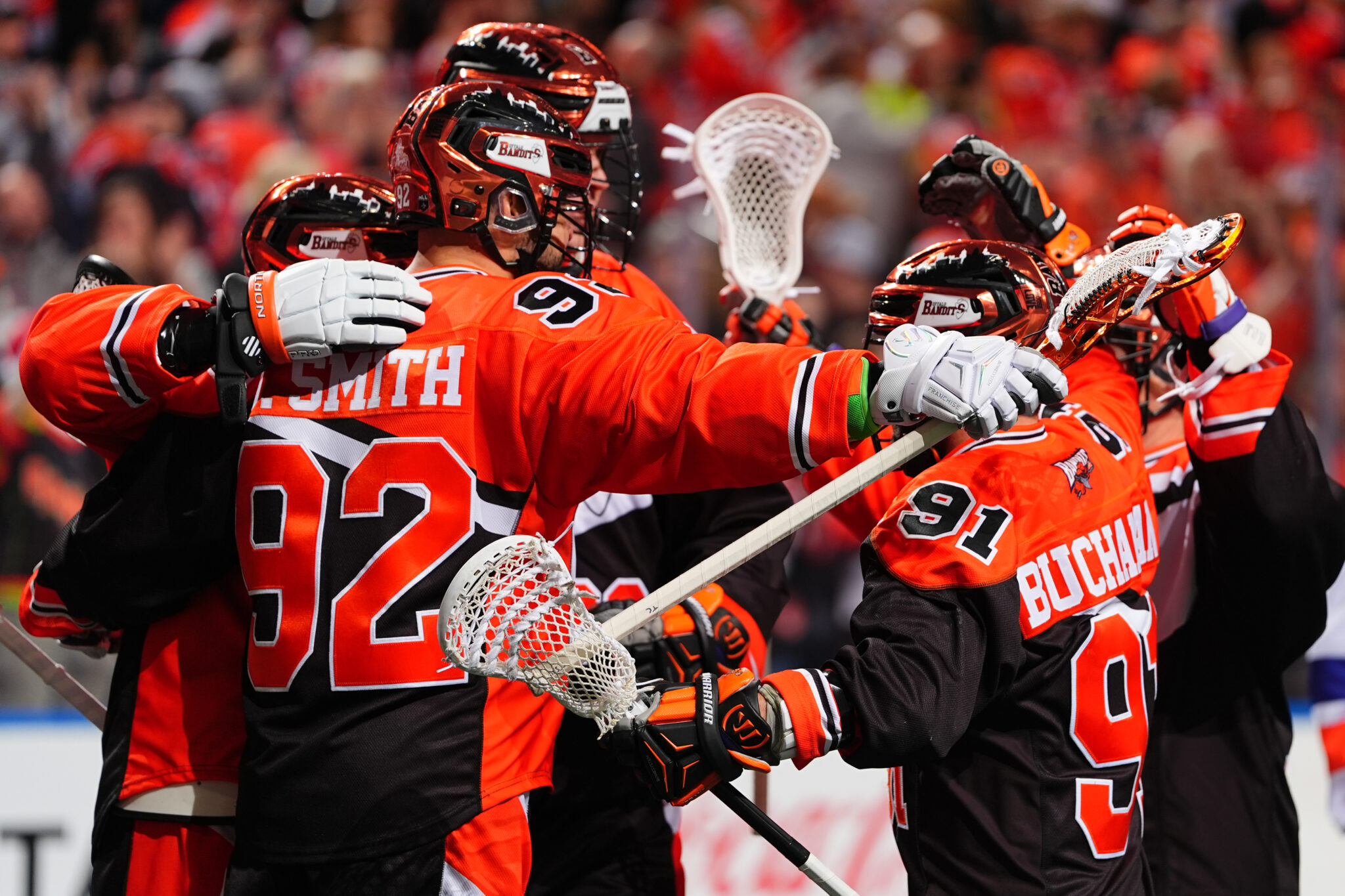
Rest and Recover
With that, recovery is essential both mentally and physically. Unlike other team sports, where recovery equipment and athletic trainers are available because teams are together almost every day, nearly year-round.
For example, teams like the Bills and Sabres use the latest technology, and rightfully so. The Los Angeles Chargers’ new $250 million headquarters have a “Recharge Room” with all the gadgets to support recovery, which can extend careers.
Big Money, Long Career
Players also invest in their own recovery process, which includes nutritionists and specialized therapists. NBA superstar LeBron James, almost 41, reportedly spends $1.5 million annually on recovery with specialists keeping him on the court.
The Box Player
The care and recovery of a pro lacrosse player is left to the individual player. The player handles workouts at their hometown facility, and many take advantage of facilities that offer recovery systems like cryotherapy and cold plunges. Some players have their own equipment at home.
The Bandits, however, are very attentive to the players’ needs, including careful monitoring by the team’s athletic training staff. That includes care for muscle strains, nicks and bruises, and anything long-term.
Bandit Athletic Training Staff Helps
“In the last five years, the Bandits have made recovery and training a priority, and that speaks for itself on how good the team has done,” said Matt Meyer, one of the Bandits’ sports therapists by trade, working on the performance aspect, exercise interventions, mobility training, and bodywork integrations.
“We are really looking at the body, nervous system, and all of those inputs that give us an idea what type of therapy, strength training, and stretching protocols can help them,” Meyer said.
As we all know, box lacrosse is a very physical game, with high speed and hard impacts, which can cause significant wrist, elbow, and shoulder trauma. Playing on the synthetic turf can cause ankle and knee issues.
Before it all Happens
Before the game, Meyer and the Bandits’ athletic staff want to make sure the players are refreshed, which calls for light stretching, joint mobility, and light bodywork with massage.
“We want to calm their nervous system, preparing to go to battle, leveraging low and slow breathing, relaxing until they need to go at it.
After it’s Done
“After the game, we want to shut that down as quickly as we can, getting them out of the fight or flight, and getting them to rest and digest. We are going to use more techniques to help them relax, bringing their heart rate and nervous system down,” said Meyer.
The Bandits’ athletic training staff checks in with the players to see how they are feeling. And because some of the players don’t live here, they try to give them ideas of what to do when they go home.
The Options
That includes different types of hydrotherapy, sauna, cold plunge, stretching, what their workouts will look like during the week, and just general recovery and check-ins. Sleep, nutrition, and hydration are essential – the more the Bandit player is dialed in, the better they will recover.
14 Days
“There is a mental piece to getting yourself prepared for the (14-day) break. Once they leave the facility, we want to make sure they are in good hands with their strength coaches and their other therapists.
“Some of the guys we have a direct line because they live here and are training at some of the facilities (Impact). For the guys who live away, we want to make sure we catch up on them, keep up with their therapy, and make sure they are doing their rehab, strength, and conditioning,” Meyer noted.
On the Wrist
Many of the Bandit players wear devices that track their nervous system, sleep, hydration, and exercise. Some devices signal when they’re ready for workouts or suggest a recovery day. The players can share this info and receive feedback.
“It’s a cool time in sports science and recovery. The culture is changing, and they are very interested in what they can do to improve as athletes,” Meyer said.
Housekeeping
The Bandits are back on the practice surface in Brampton, Ontario, this week, followed by a glamorous championship ring dinner Friday night.
Sunday, December 28th, is the next game for the Bandits in Calgary vs. the Roughnecks.
Happy Holidays, everyone in Banditland!